
Davis, California · Open 24/7admin@davisrvsales.com · Financing · Sell Your RV · Contact
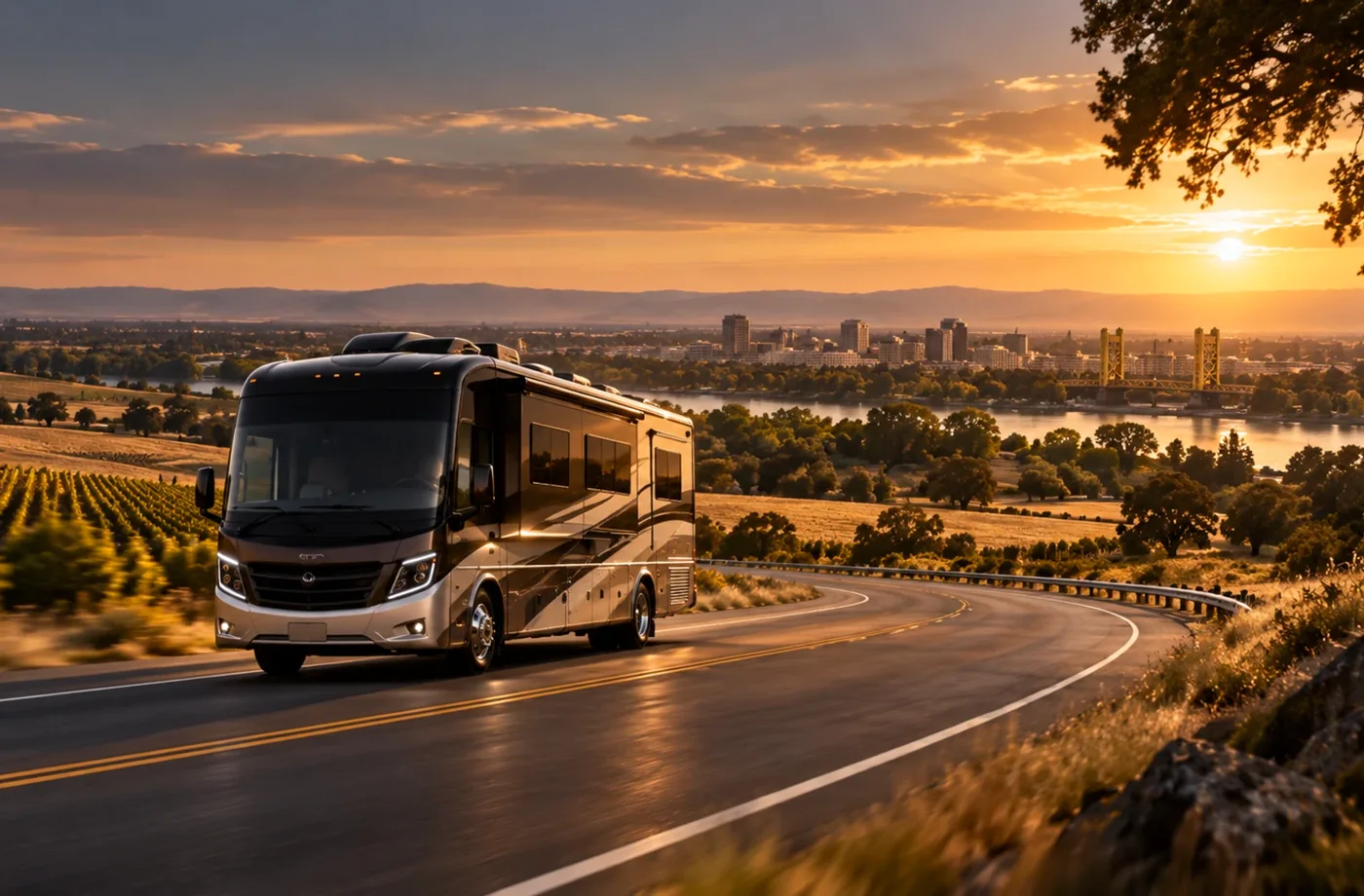
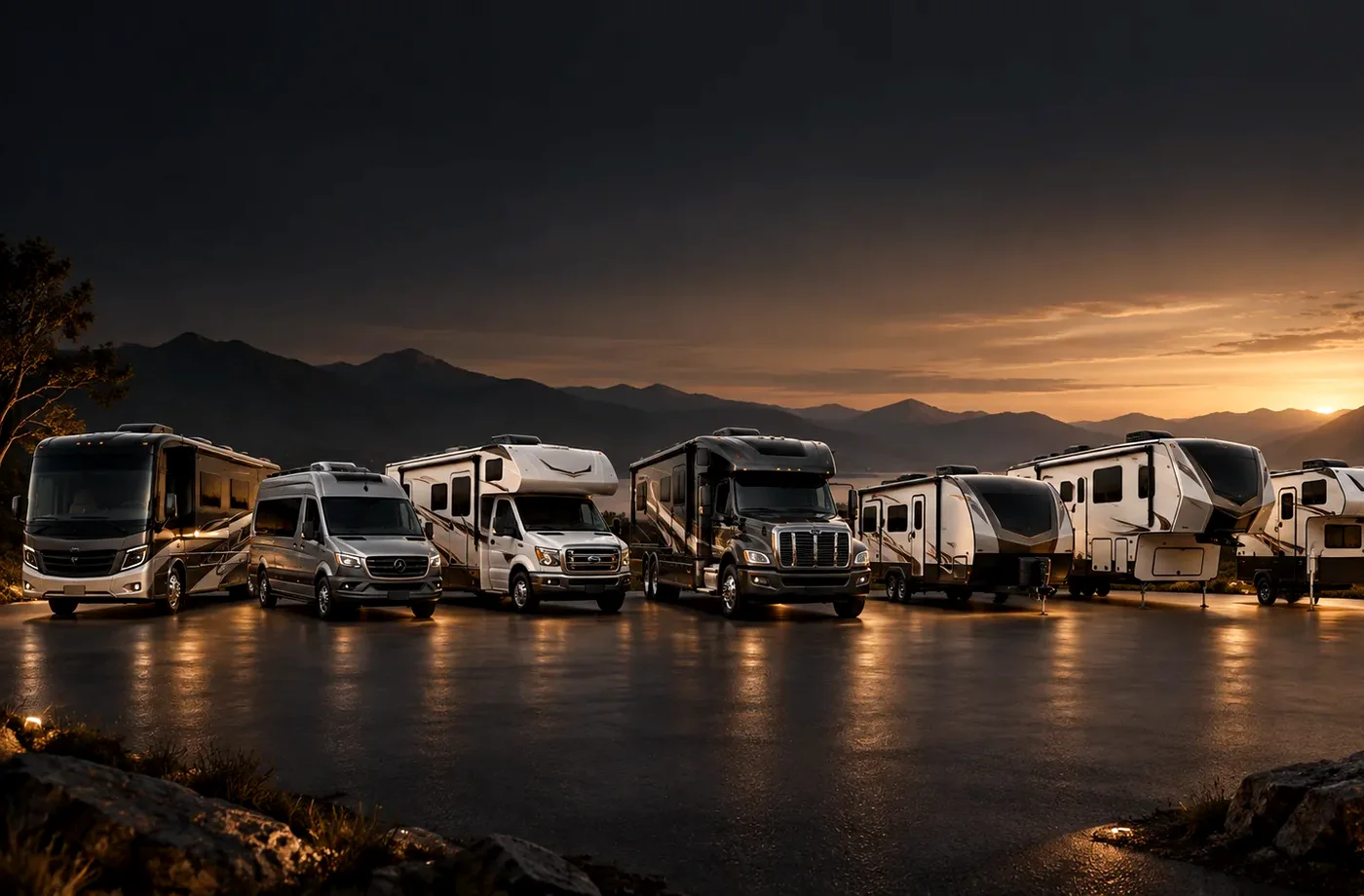
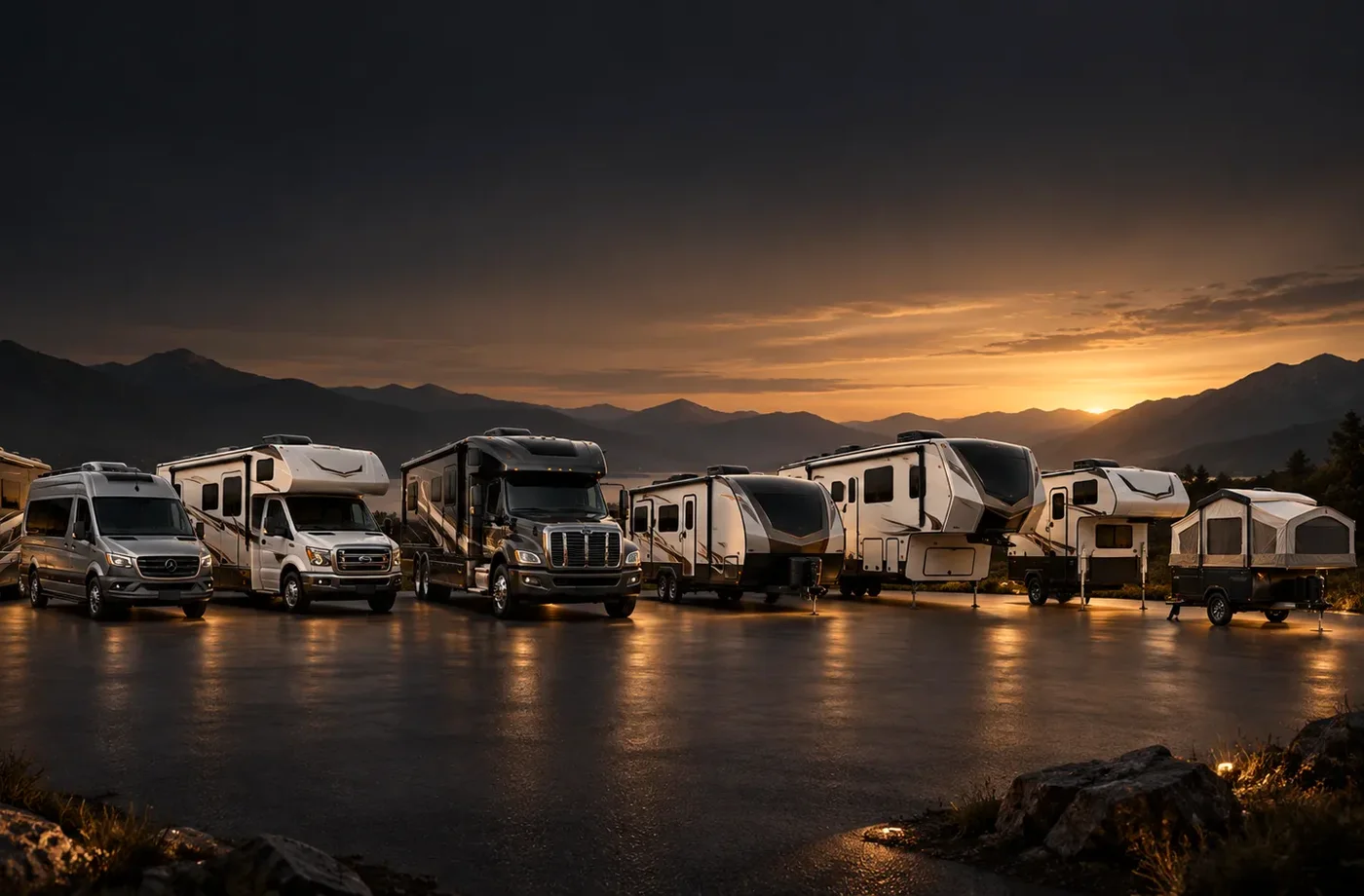
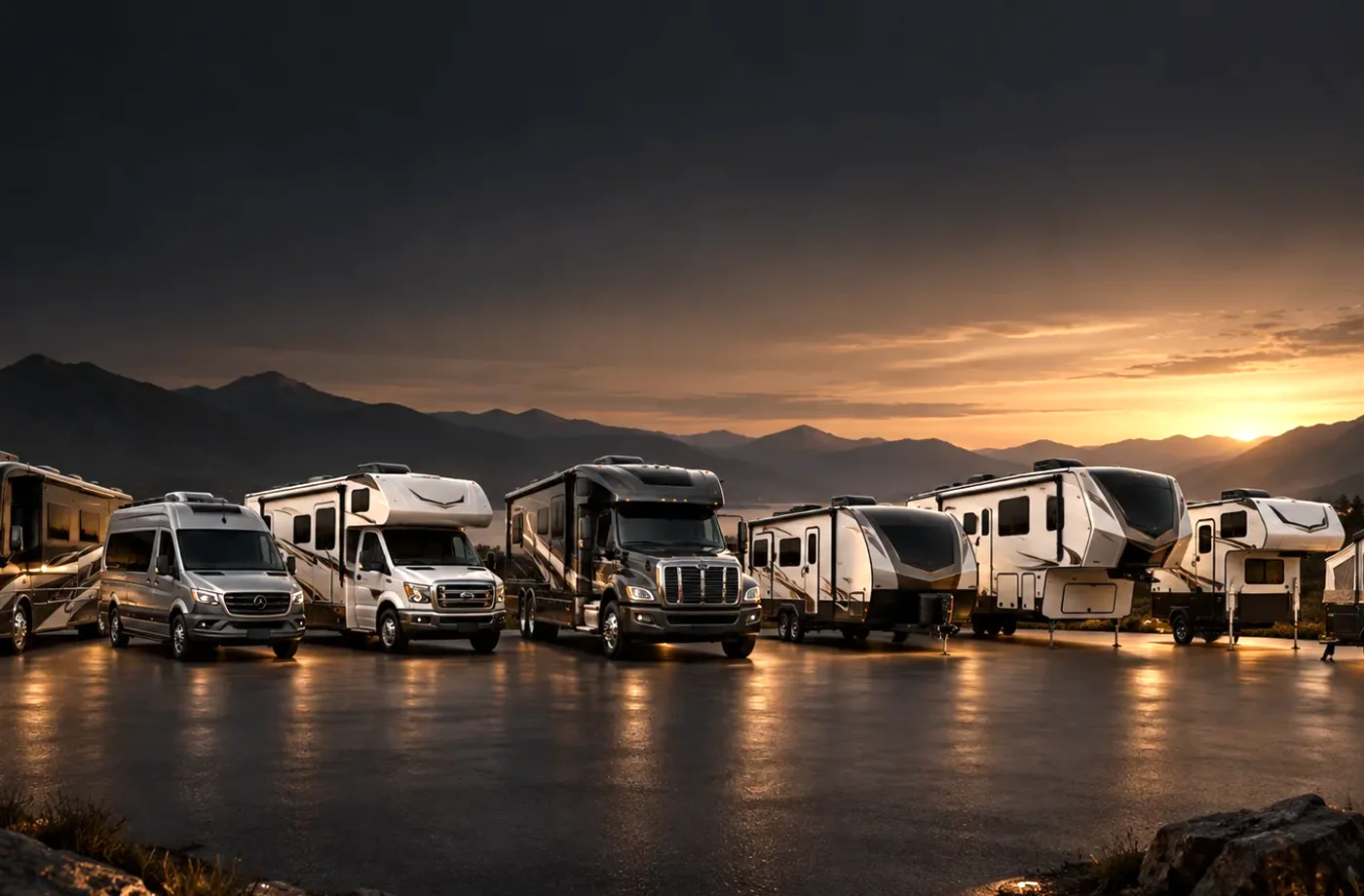
RV research and trip-planning scene supporting How to Choose the Right RV
RV buying guide

How to Choose the Right RV

Start with your travel habits, not a model name. The right RV fits the people, roads and destinations that matter to you.

Reviewed and updated September 20, 2026
Quick answer

Choose an RV by travel style before brand: decide how many people travel, whether you prefer driving or towing, where you camp, how much storage and bathroom space you need, and what total ownership cost fits your budget.

RV guide

Motorhome or towable?

Motorhomes combine driving and living space, while towables let you leave the RV at camp and use the tow vehicle separately. Compare sleeping capacity, bathroom needs, storage, parking, maintenance and total ownership cost before selecting a format.

Use the related pages, inventory tools and FAQs below to compare the next step. Confirm current availability, pricing, rental terms or service scope before making arrangements.

RV research and trip-planning scene supporting How to Choose the Right RV

Start with the trips you actually expect to take

Write down who will travel, how long you expect to stay away and where the RV will be stored between trips. A layout suited to occasional weekends may feel different during a longer stay. List the features you need every day separately from features that would simply be nice to have. Use that list when comparing vehicles so attractive finishes do not distract from a poor fit.

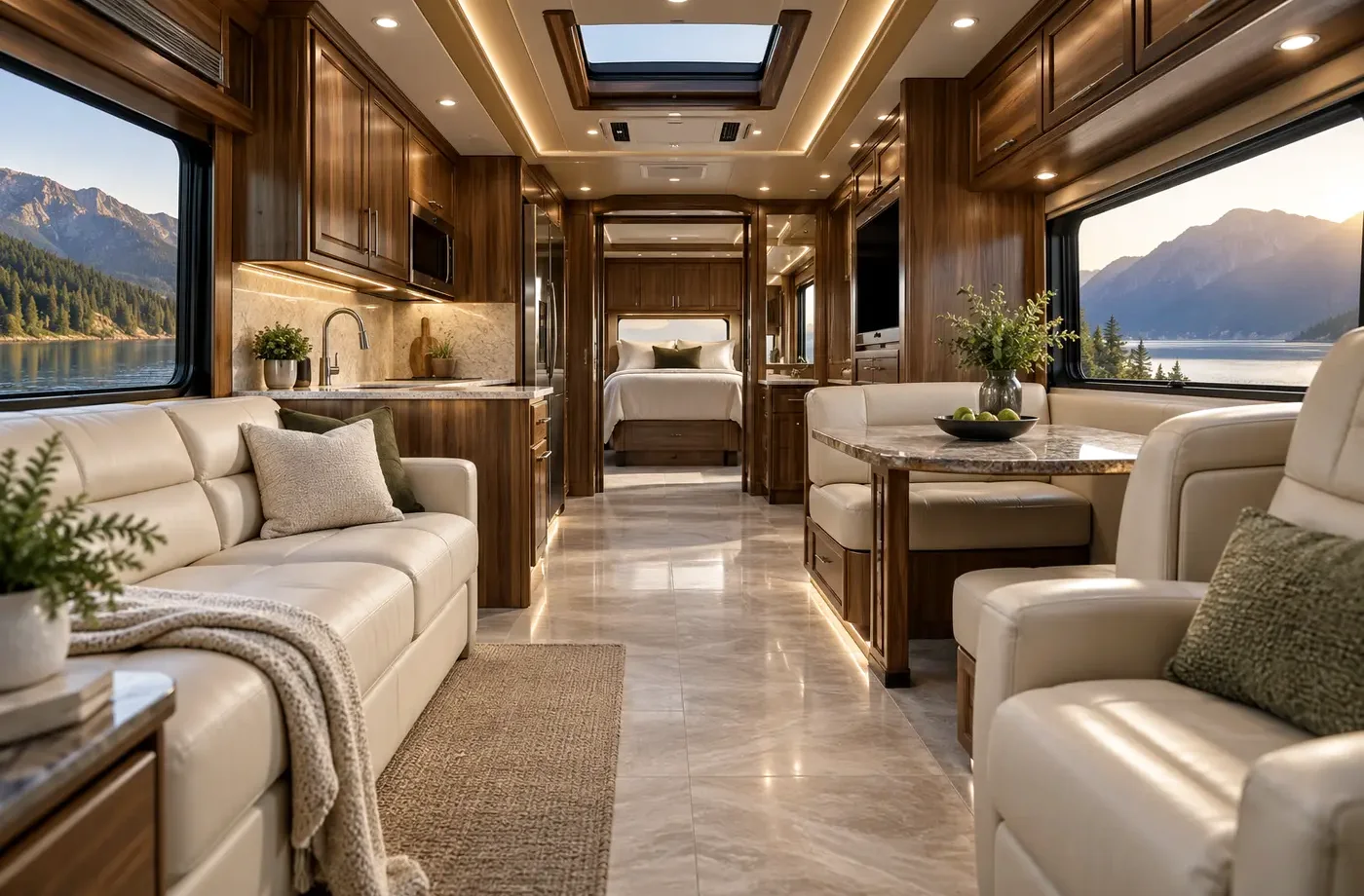
RV research and trip-planning scene supporting Start with the trips you actually expect to take

Compare motorhome formats with towable RVs

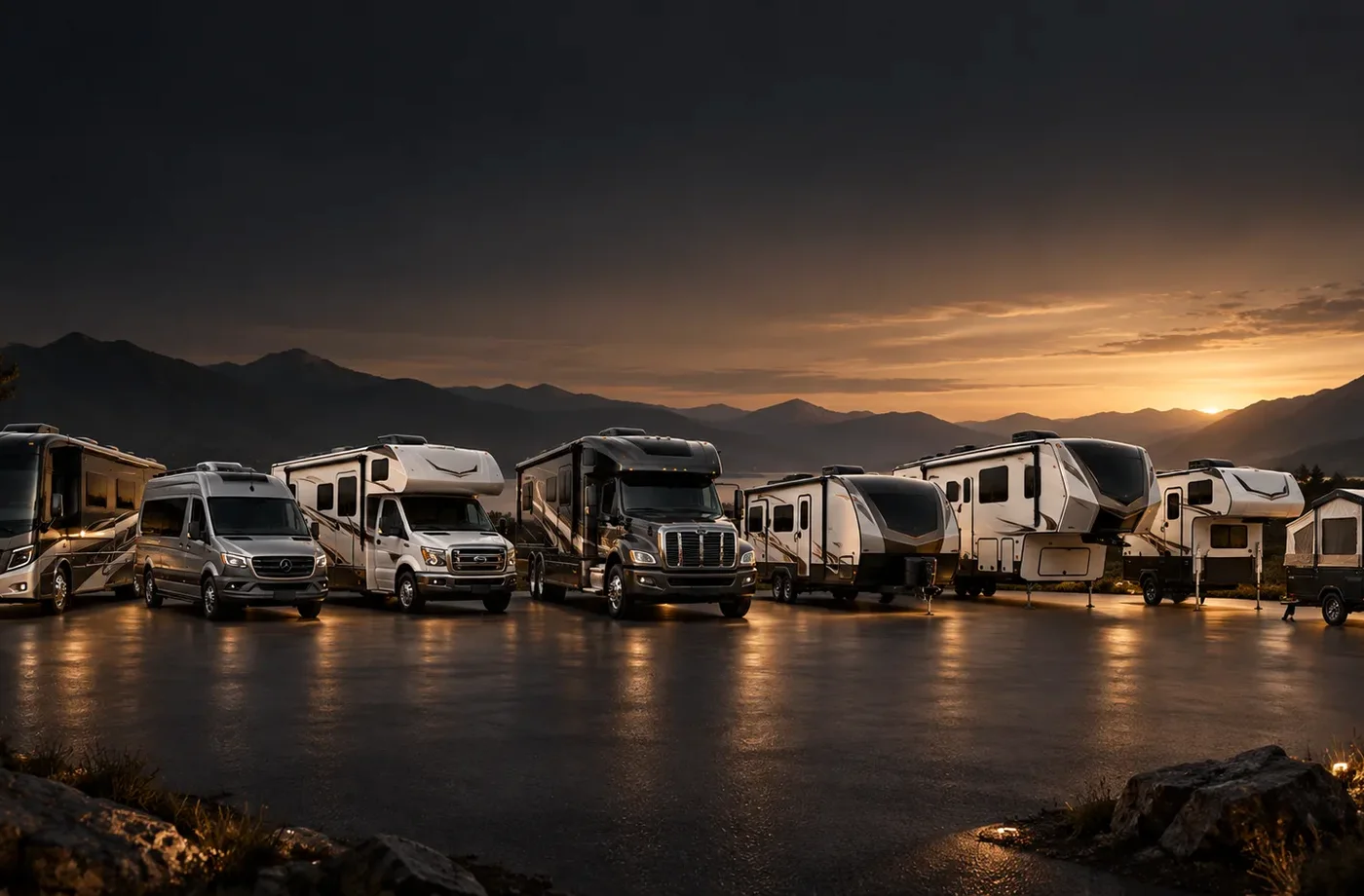
Class A, Class B and Class C motorhomes combine transport and living accommodation in different layouts. A travel trailer or fifth wheel uses a separate tow vehicle, which can be useful after setting up camp. A toy hauler adds a cargo area, while a destination trailer emphasizes accommodation for longer stays. These category names do not establish the capacity or suitability of an individual vehicle; compare its actual specifications.

RV research and trip-planning scene supporting Compare motorhome formats with towable RVs

Separate sleeping space from travel seating

For family trips, count both usable beds and suitable travel seats. A dining area advertised as a bed may need to be converted each night, and bed dimensions can vary. Passenger seating and restraints are a separate consideration from sleeping capacity. Ask to see each bed set up, inspect access to storage and the bathroom, and review the vehicle documentation before making assumptions.

RV research and trip-planning scene supporting Separate sleeping space from travel seating

Check parking, access and compatibility

Measure the storage space you intend to use, including access and height restrictions. Review the limits of the actual tow vehicle and hitch if considering a towable RV, with qualified help where needed. During a viewing, ask to see the interior with slides closed as well as open. Check whether routine stops would allow access to the areas you expect to use.

RV research and trip-planning scene supporting Check parking, access and compatibility

Bring a shortlist to the viewing

Choose a few suitable floorplans and compare them using the same notes: seating, beds, kitchen, bathroom, storage, dimensions, condition and ownership needs. Include storage, maintenance and other ongoing expenses in your planning. Confirm that each shortlisted vehicle is available before traveling, then use the inspection guide to record unanswered questions. A useful viewing should leave you with enough information to compare actual vehicles, not just categories.

RV research and trip-planning scene supporting Bring a shortlist to the viewing

Start With the People and Trips

List traveler count, pets, sleeping privacy, trip length, climate, campground preferences and how often the RV will move. Those details quickly narrow the useful RV types.

RV research and trip-planning scene supporting Start With the People and Trips

Driving vs. Towing

Motorhomes keep driving and living space together. Towables let you leave the RV at camp and use the tow vehicle separately. For towables, vehicle ratings and payload are essential.

RV research and trip-planning scene supporting Driving vs. Towing

Test the Floorplan

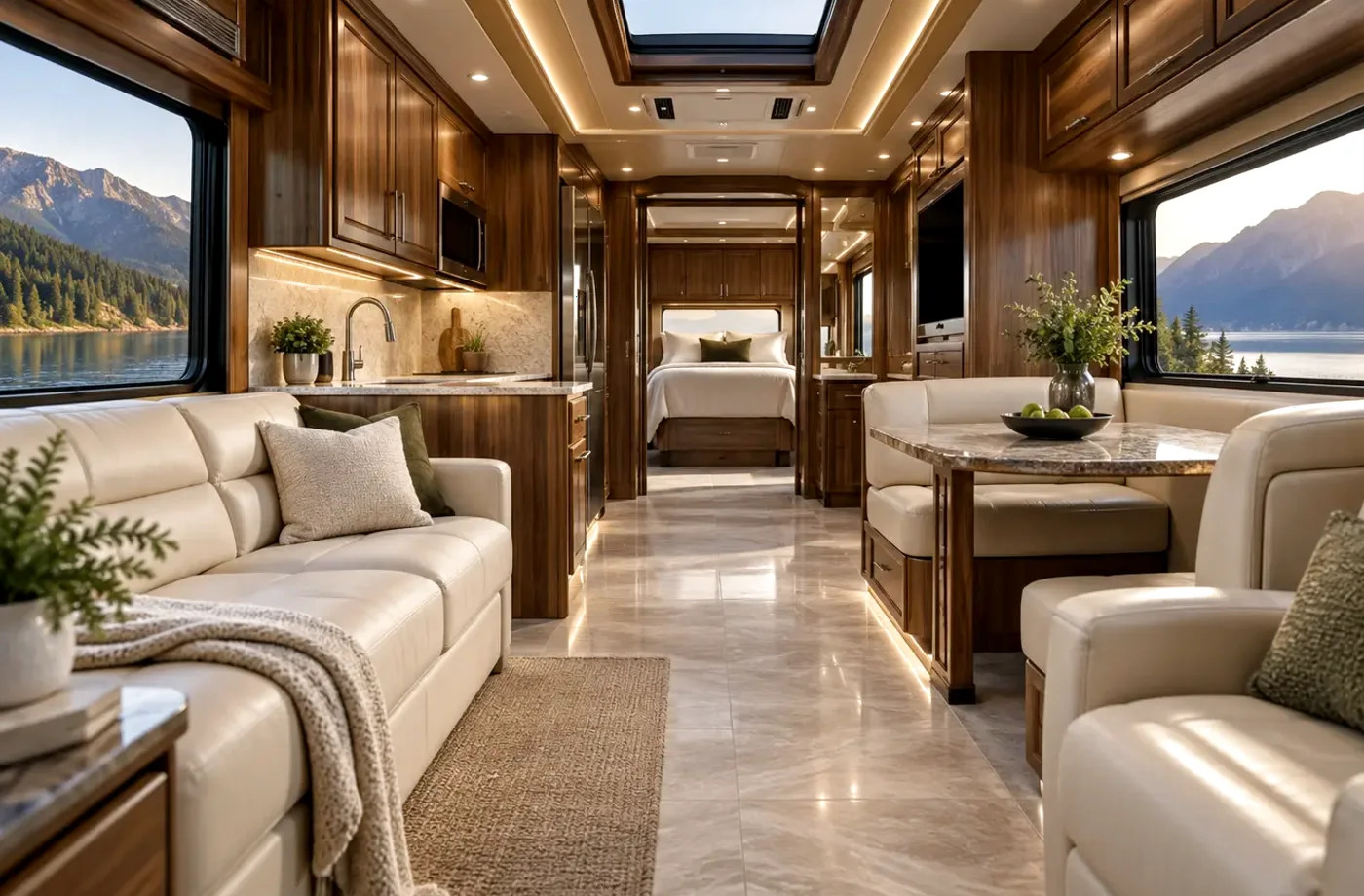
Sit, lie down, open cabinets, simulate cooking and check bathroom access. If the RV has slides, see how the interior works both open and closed.

RV research and trip-planning scene supporting Test the Floorplan

How to Use This Guide in a Real RV Decision

Treat How to Choose the Right RV as a framework for asking better questions, not as a substitute for the documents and specifications for a specific RV. RVs with the same category name can differ substantially in chassis, weight ratings, floorplans, equipment and operating requirements. Use the guide to create a shortlist of the details that matter to your trip, then verify those details on the manufacturer label, owner documentation, rental agreement, lender disclosure or service record that applies to the exact vehicle or transaction. When a number or policy could change, rely on the current written source rather than an old article or a generic answer from a forum.

RV research and trip-planning scene supporting How to Use This Guide in a Real RV Decision

Separate Facts, Preferences and Assumptions

Many RV questions have both an objective and a personal part. Weight ratings, tank capacities, dimensions and loan APR are objective values that can be verified. Whether a floorplan feels comfortable, a motorhome is easy enough to drive or a monthly payment fits the budget is personal. Problems arise when an assumption is treated like a fact—for example, assuming every Class C sleeps the same number of people or every campground can accept a large fifth wheel. Write down what must be verified and what is simply a preference. That distinction makes research faster and helps prevent confident but inaccurate answers from shaping a purchase or trip.

RV research and trip-planning scene supporting Separate Facts, Preferences and Assumptions

Questions Worth Asking a Dealer, Owner or Rental Provider

Ask questions that can be answered with evidence: What is the exact model and floorplan? Which systems were tested? What are the weight ratings? What is included in the price or rental rate? What fees can be added? What maintenance records exist? What warranty or protection applies and what is excluded? If financing is involved, what are the APR, term, amount financed and total of payments? If service is involved, what diagnostic work is authorized and what happens before additional labor is approved? Clear questions produce answers that are easier to compare than broad questions such as “Is this a good RV?”

RV research and trip-planning scene supporting Questions Worth Asking a Dealer, Owner or Rental Provider

Common Research Mistakes to Avoid

Do not rely on a single photo, a single review or one owner’s experience as proof that every unit will behave the same way. Avoid comparing RVs by list price alone when size, equipment, condition and transaction terms differ. Do not use a tow rating without checking payload and hitch limits. Do not assume a used RV is problem-free because it looks clean, and do not assume a new RV needs no inspection. For rentals, read the agreement rather than relying on a marketplace summary. For financing, compare total cost as well as the payment. Good RV research is cumulative: several verified facts should point in the same direction before you decide.

RV research and trip-planning scene supporting Common Research Mistakes to Avoid
Frequently asked questions

Helpful answers

Which RV type is best for a family?

There is no single answer. Compare suitable travel seats, usable beds, storage, bathroom access and the way your family expects to camp.

Should I choose a floorplan before checking compatibility?

Treat both as essential. A comfortable layout still needs to suit parking, travel and any towing requirements for your actual circumstances.

How should I use this page?

Use it to understand the topic, note the details that must be verified and then move to the relevant inventory, rental, financing, service or contact page.

Are all RVs the same within a category?

No. Floorplans, dimensions, capacities, equipment and operating requirements can vary substantially by model.

Should I rely on a single online answer?

For important specifications, pricing, contract terms and safety questions, verify the information with the current document or professional responsible for the exact RV or transaction.

Are website images actual inventory photos?

Editorial AI imagery is used in general content. Actual vehicle listings should use verified photos of the specific RV.

What details should I verify on a specific RV?

Confirm the year, make, model, VIN or stock number, condition, specifications, equipment, price and current availability.

Where should I go after reading this guide?

Move to the inventory, rental, financing, service, selling or contact page that matches your next step and confirm the details for the exact transaction.

RV research and trip-planning scene supporting How to Choose the Right RV frequently asked questions