Class B+ vs. Class B
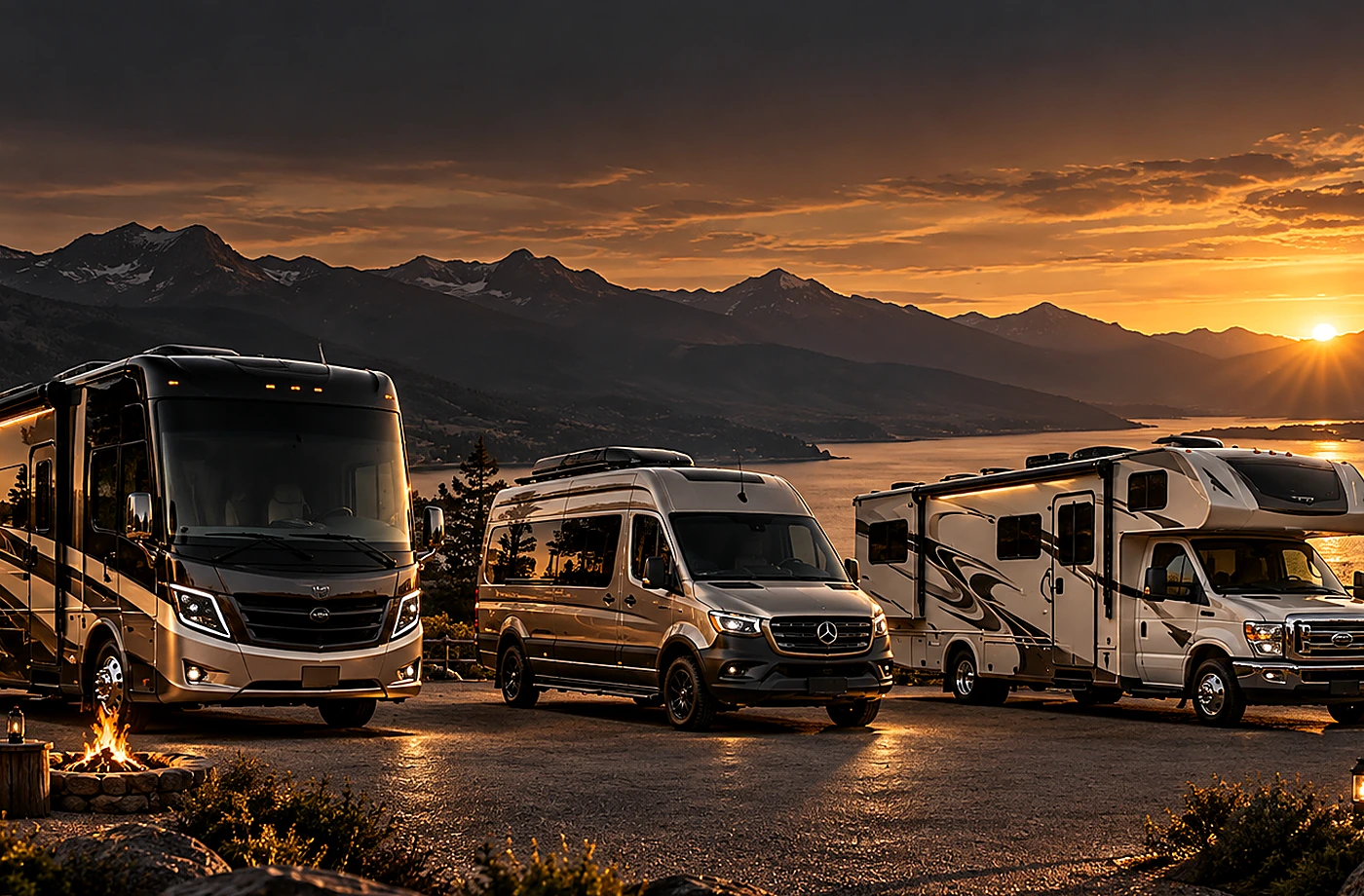
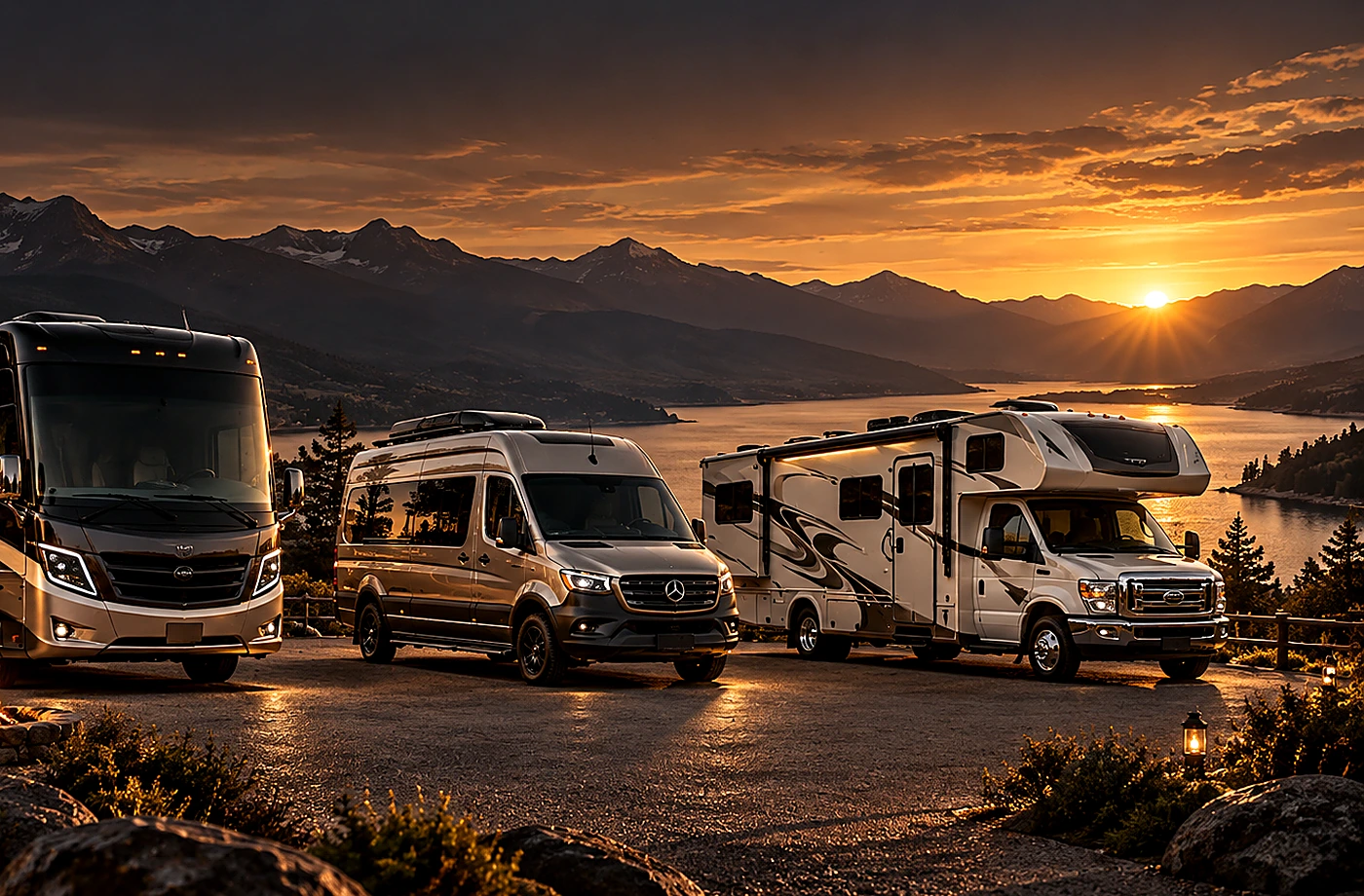
A Class B is generally built within a van body, while a B+ commonly uses a wider coach body on a cutaway chassis. The B+ may provide more room at the cost of a larger footprint.
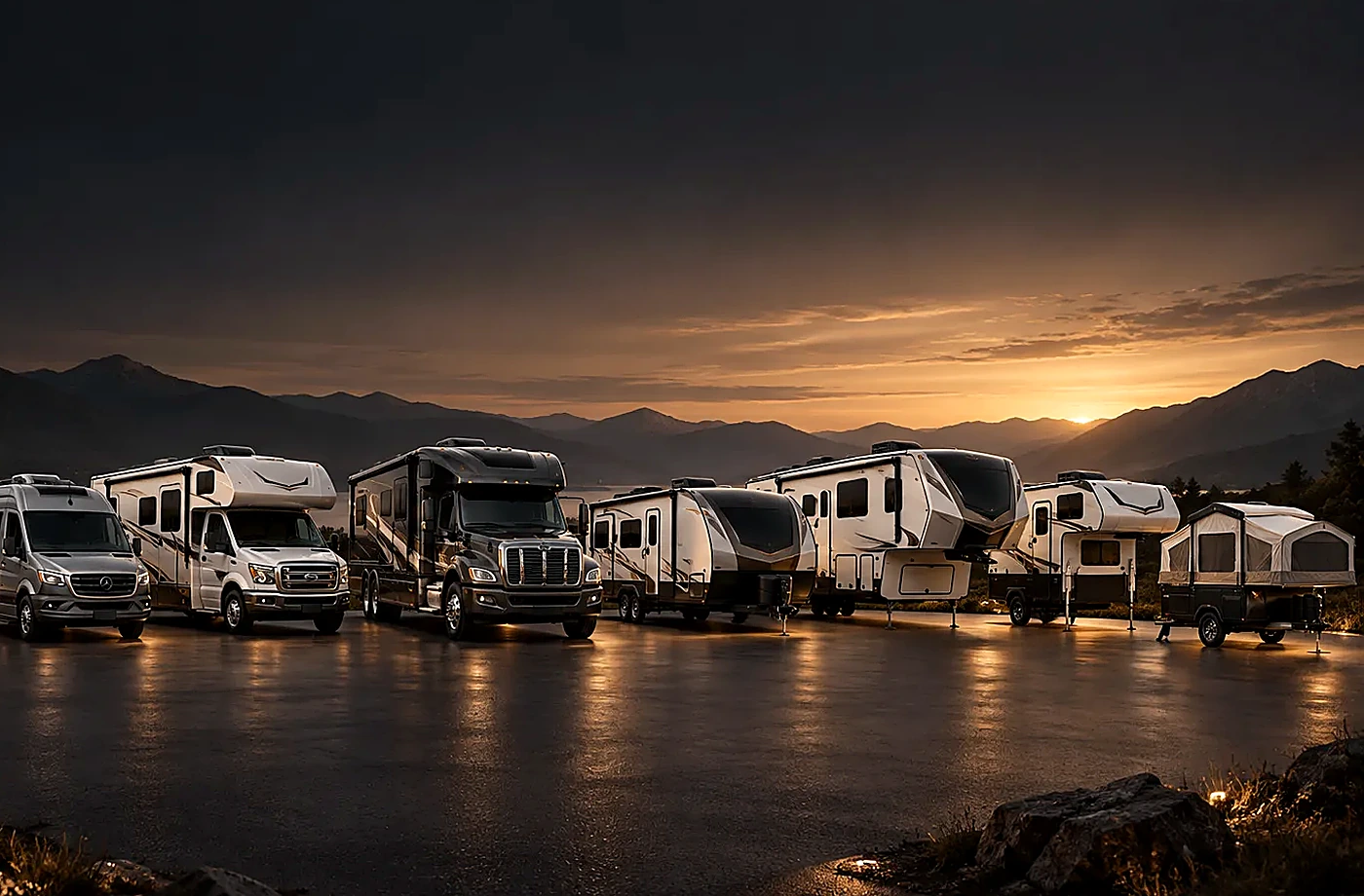
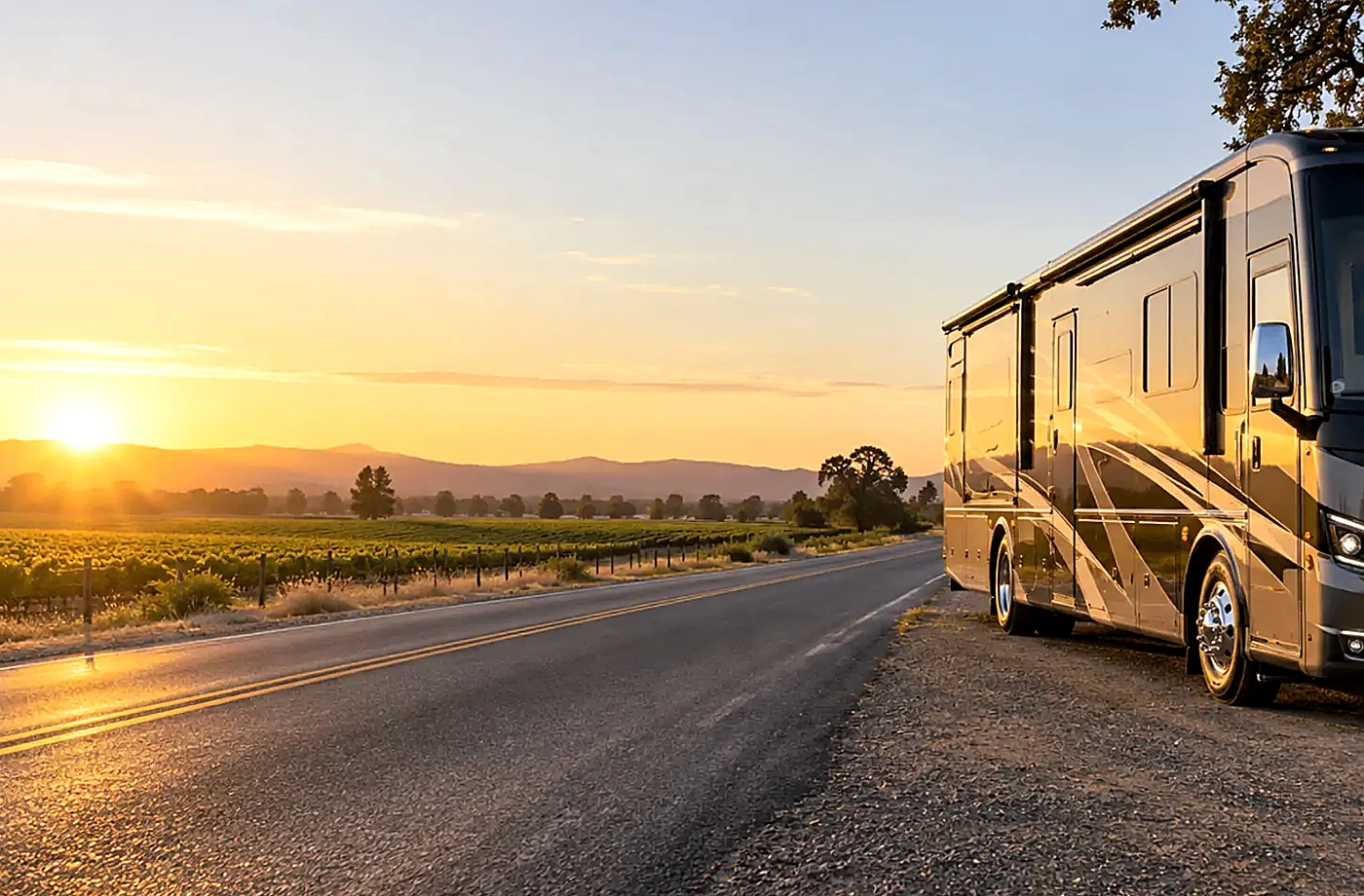
“Class B+” is a common marketing term for compact coach-style motorhomes that often sit between a van-based Class B and a traditional Class C in size and interior room. Because the label is not a formal federal RV class, specifications matter more than the name.
Class B+ is an industry marketing term rather than a standardized legal RV class. These RVs commonly use a cutaway cab with a streamlined coach body and may offer more interior room than a Class B van.
Check body width, overall length, sleeping layout, storage, bathroom design, cargo capacity and chassis ratings. A “B+” from one manufacturer may differ substantially from another.
Use the related pages, inventory tools and FAQs below to compare the next step. Confirm current availability, pricing, rental terms or service scope before making arrangements.
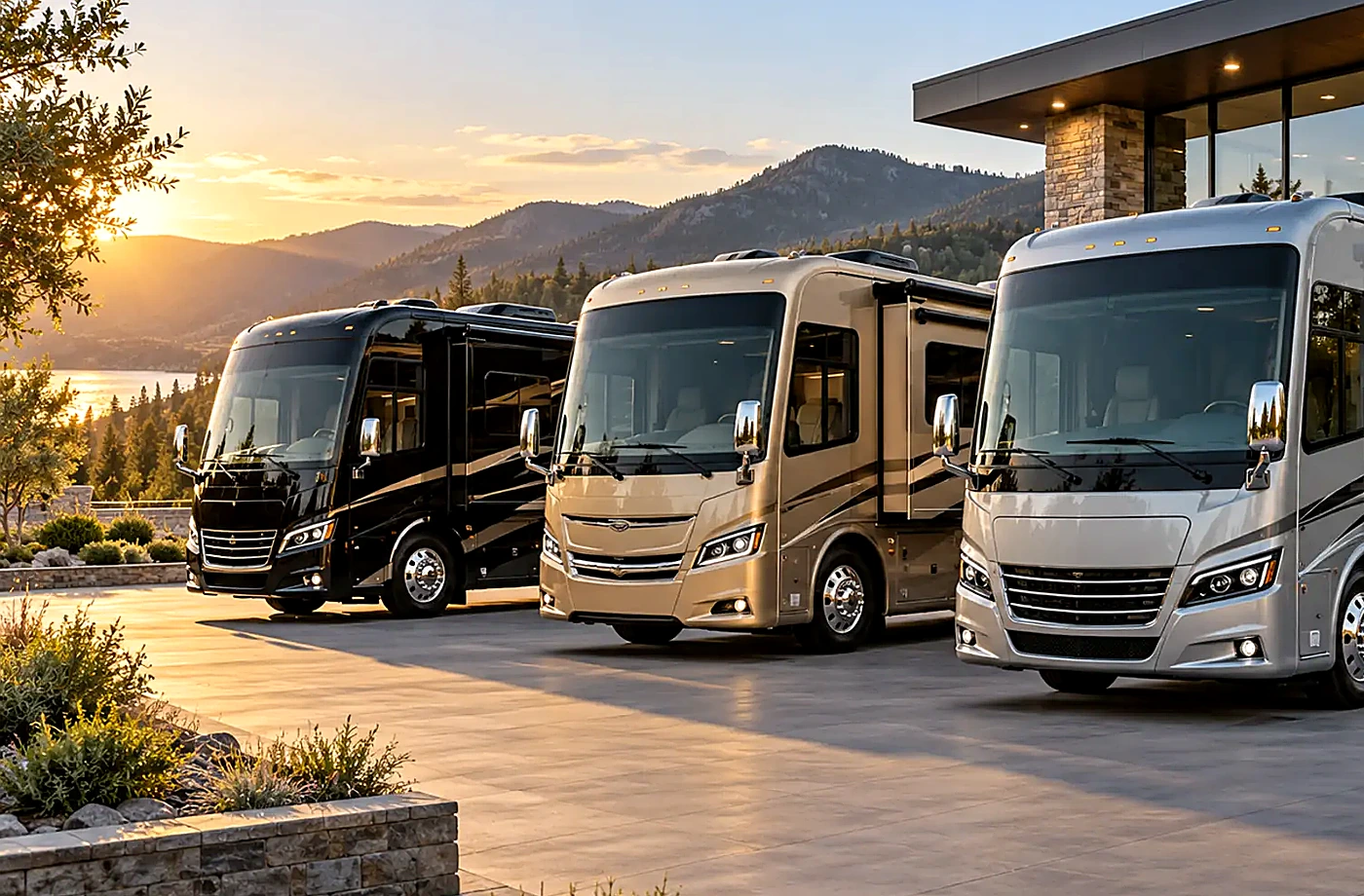
Use these related pages to continue your research with crawlable, contextual links.
A Class B is generally built within a van body, while a B+ commonly uses a wider coach body on a cutaway chassis. The B+ may provide more room at the cost of a larger footprint.
Many B+ models omit the large cab-over bed associated with traditional Class C designs, but there is no universal rule. Compare each floorplan and chassis directly.
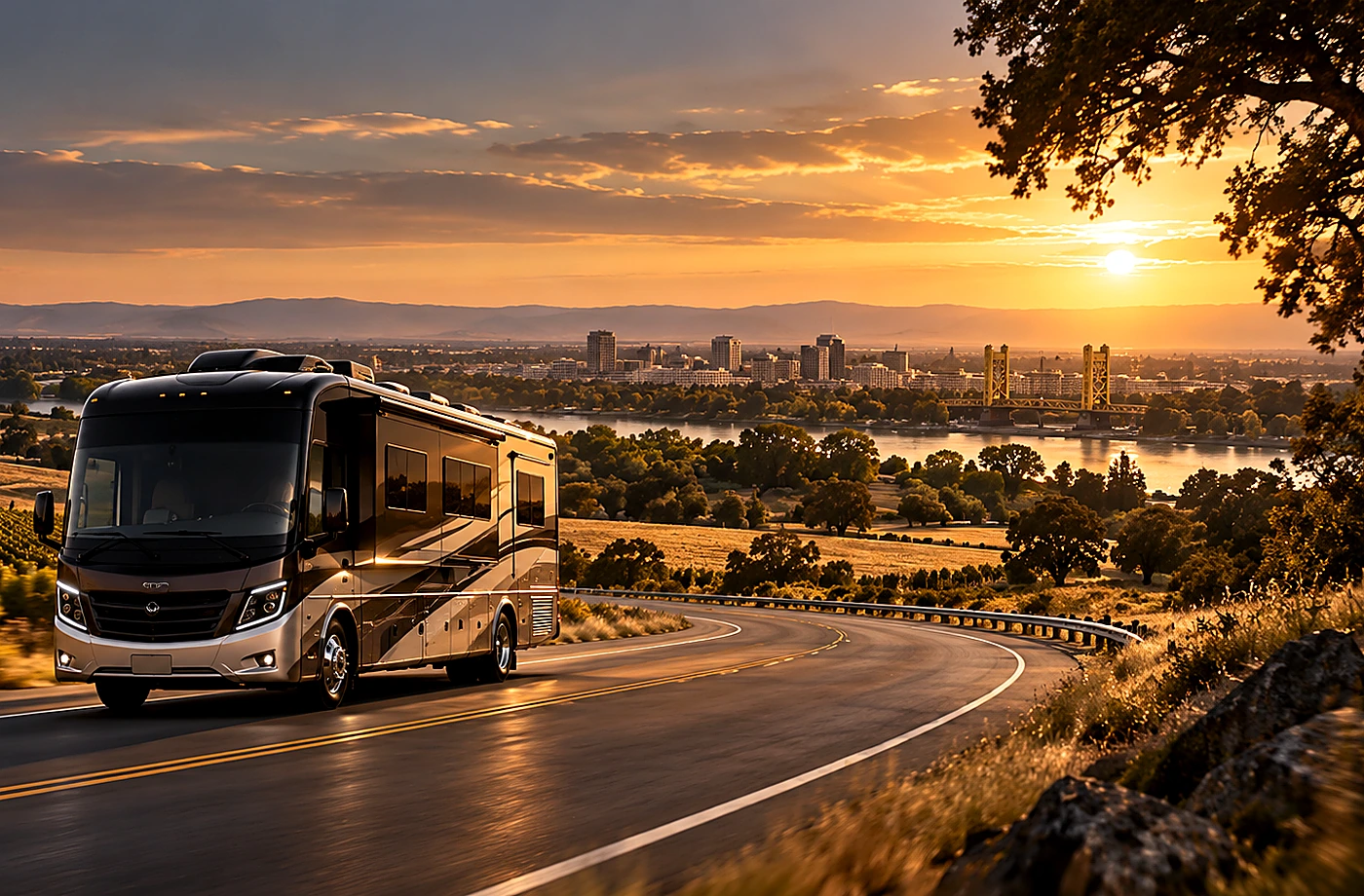
They often appeal to couples who want more living space than a camper van without moving to a larger coach. Actual suitability depends on the specific unit.
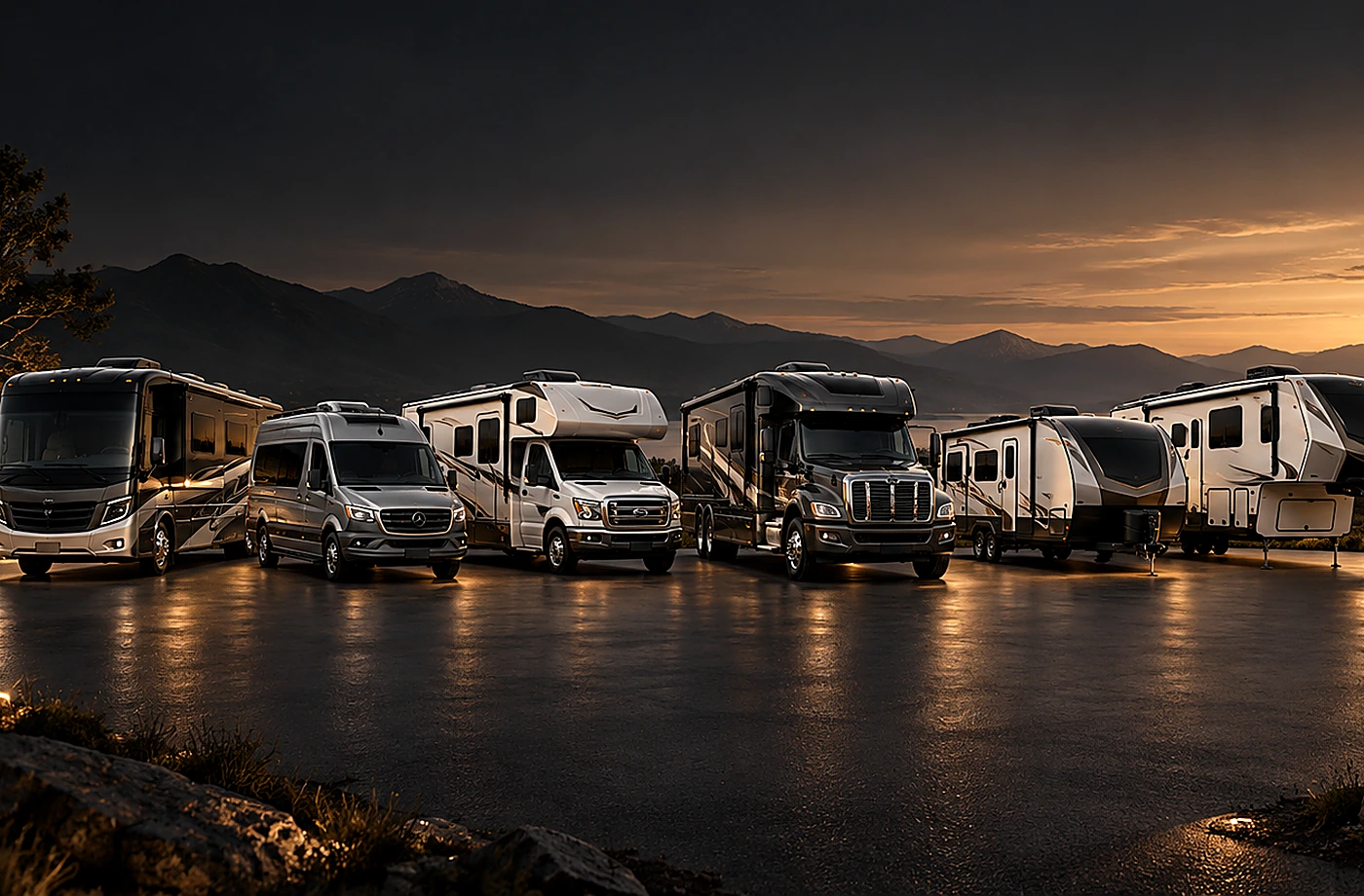
Start with the trip rather than the badge on the side of the vehicle. For Class B+ RVs for Sale in Davis, CA, list how many people travel, how many need real sleeping positions, how much interior and exterior storage you use, whether pets or outdoor equipment travel with you, and how often you expect to change campsites. Then compare actual floorplans, dimensions and capacities instead of assuming every RV in the same category works the same way. A floorplan that feels spacious at a show can be inconvenient if the bed blocks a walkway, the bathroom is difficult to use with slides closed, or the kitchen loses counter space when people are seated. Sit in the main seating positions, test bed access, open cabinets and imagine a normal travel day before deciding.
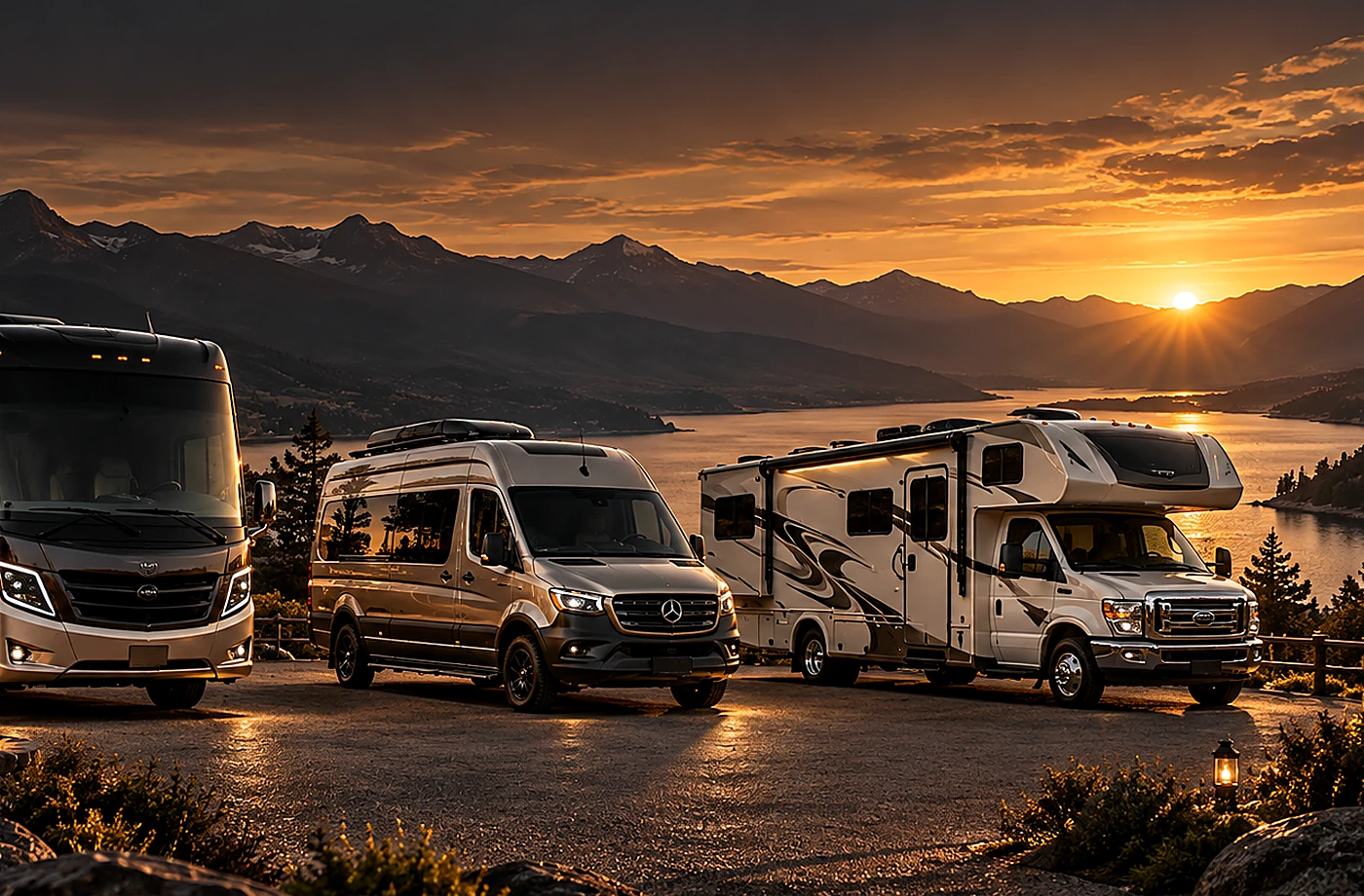
RV shopping becomes safer and more useful when specifications are treated as decision data rather than fine print. Review overall length, exterior height, fresh and waste tank capacities, cargo carrying capacity, hitch ratings and the number of belted travel positions where applicable. For towable RVs, compare the trailer ratings with the actual tow vehicle payload, axle ratings, hitch limits and gross combined ratings; a vehicle can reach payload limits before its advertised tow rating. For motorhomes, consider chassis weight ratings, cargo capacity, towing limits and how passengers, water, fuel and gear affect the available margin. Always use the certification labels and manufacturer documentation for the specific unit rather than a generic web estimate.
A new RV can offer current technology, an unused interior and manufacturer coverage, but the buyer should still confirm what the warranty covers, what the dealer has inspected, what equipment is actually included and whether any open items will be completed before delivery. A used RV can offer more size or equipment for the budget, yet condition and history become more important. Review the roof and sealants, signs of water intrusion, tires, batteries, plumbing, appliances, electrical systems, slide-outs, generator and chassis maintenance where applicable. Ask which systems were tested and request service records when available. The strongest buying decision comes from comparing the condition and transaction on the specific RV, not from assuming all new or all used units are equivalent.
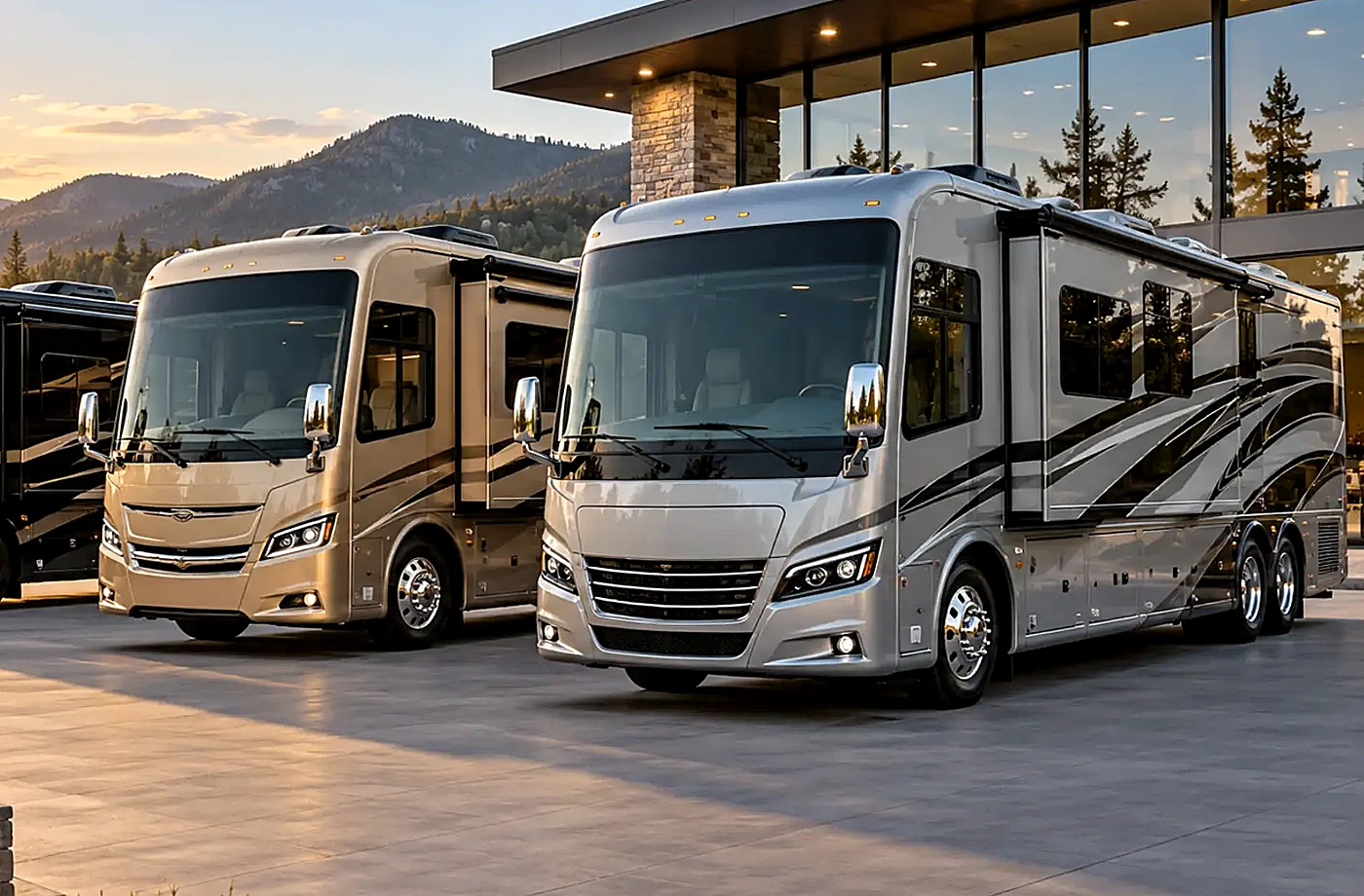
The advertised price is only one part of an RV purchase. Build a realistic ownership plan that also considers taxes, registration, insurance, storage, fuel or towing costs, routine maintenance, tires, batteries, campsite fees and any immediate accessories needed for safe use. If financing is involved, compare amount financed, down payment, net trade equity, APR, term and total of payments rather than choosing a loan only because the monthly payment looks comfortable. Longer terms can reduce the monthly amount while increasing the total interest paid. If a trade is part of the deal, ask to see the purchase price, trade allowance, payoff and financing figures clearly separated so the net transaction can be compared with other options.
Photos and specifications are useful for creating a shortlist, but an in-person or qualified inspection can reveal details that a listing cannot. Look at the roof, seals, sidewalls, windows, storage compartments, underbody, tires and date codes. Inside, test lights, outlets, charging, water pump, faucets, toilet, water heater, refrigerator, furnace and air conditioner when conditions allow. Check for odors, stains, soft flooring or wall areas that can indicate moisture. Operate slide-outs, leveling equipment, awnings and generator if equipped. On a motorhome, review chassis service, warning lights, brakes and fluids. Record any system that cannot be tested as unverified rather than assuming it works.
Before finalizing Class B+ RVs for Sale in Davis, CA, confirm the exact year, make, model, floorplan, VIN or stock number, condition, included equipment, price and current availability. Ask whether the listed specifications are manufacturer figures or measurements from the actual unit, whether the vehicle has known repair needs, and what documents will be provided at delivery. If a warranty, service contract, delivery promise, financing condition or trade allowance is important to the decision, get the terms in writing and read the exclusions. Ask for an operating orientation so you understand hookups, batteries, water, propane, slides, awning and safety systems. A well-documented transaction is easier to compare and reduces surprises after purchase.
Location: Davis, California
Open 24/7 for inquiries. Email us to confirm visiting directions and the availability of the RV, rental or service you need before traveling.
Email: admin@davisrvsales.com
Hours: Open 24/7
For financing questions, request a callback. This is not a credit application. Do not send Social Security numbers, bank information or card details.
No. It is widely used as a marketing description, but buyers should rely on the actual chassis, dimensions and specifications.
Many do, but layouts vary. Confirm the bathroom, sleeping and kitchen configuration of the specific model.
Some are smaller than many Class C motorhomes, but driving feel depends on length, width, wheelbase, chassis and driver experience.
Compare traveler count, sleeping needs, floorplan, length, storage, weight or towing limits, condition, price and total ownership cost on the exact RV.
A careful inspection is useful for both new and used RVs. Used units especially benefit from close review of roof, seals, tires, batteries, appliances, plumbing and electrical systems.
Confirm the exact unit, current availability, price, location and any appointment requirements before traveling.
A trade may be possible. The actual value depends on the RV, condition, market and any current lender payoff.
Verify the exact length, height, weight ratings, sleeping capacity, tank capacities, chassis or tow requirements and included equipment for the specific unit.